
Pet Dermatology
Skin issues can affect your pet’s comfort and quality of life. Our dermatology services help diagnose and treat allergies, irritations, and chronic conditions.

Comprehensive Dermatology Care for Pets
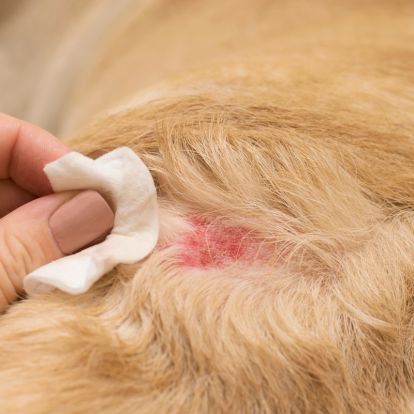
Many pets will experience a skin, ear, hair, or nail condition at some point in their lives. These issues can range from mild irritation to chronic allergic disease — often leaving pets uncomfortable and affecting their quality of life. Since many conditions share the same symptoms — such as itching, redness, or hair loss — a thorough and multi-step diagnostic approach is often required to identify the root cause. While treating symptoms may provide short-term relief, long-term comfort depends on identifying and managing the underlying condition.
Experienced Care for Skin Conditions
Our doctors are highly experienced in diagnosing and treating a wide variety of dermatologic concerns. From minor infections to complex, chronic allergies, we are committed to improving your pet’s comfort and health.
Dr. Laura Carey, who has a special interest in veterinary dermatology, utilizes the latest therapies for allergic disease — including advanced options for pets who have not responded to traditional medications in the past.
When needed, we also collaborate with board-certified veterinary dermatologists to ensure every patient has access to the very best care available.


Common Dermatologic Conditions We Treat
- Allergies (environmental, food, flea, and contact)
- Chronic ear infections
- Atopic dermatitis (environmental allergies)
- Bacterial and fungal skin infections
- Hot spots and rashes
- Hair loss and excessive itching
- Nail and paw pad conditions
Understanding Atopic Dermatitis
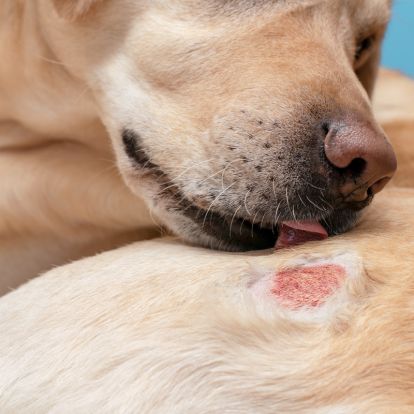
One of the most common allergic skin diseases in dogs, atopic dermatitis (AD) is a genetically influenced condition that causes itchy, red, and inflamed skin. It often begins between 6 months and 3 years of age and is triggered by environmental allergens, such as pollen, mold, or dust mites.
Atopic dermatitis can look very similar to other skin issues, which is why our veterinarians carefully rule out food allergies, flea allergies, and common infections like bacteria or yeast before making a diagnosis.
Although atopic dermatitis cannot be cured, it can be successfully managed with a combination of therapies. Treatment options may include:
- Topical anti-itch therapies
- Medicated shampoos and weekly bathing routines
- Antihistamines, fatty acid supplements, or glucocorticoids
- Advanced medications such as cyclosporine
- Allergen-specific immunotherapy (allergy testing + desensitization treatments)
With proper management and owner commitment, most dogs experience significant relief — clinical studies suggest up to 65% improve with immunotherapy.

Helping Your Pet Avoid Allergens
In addition to medical therapy, lifestyle adjustments can significantly improve outcomes. Steps may include:
- Reducing outdoor time when pollen and mold counts are high
- Using washable bedding and dust-mite covers on beds
- Bathing weekly with gentle, barrier-protecting shampoos
- Limiting direct contact with allergens (e.g., avoiding wet grass if allergic)
- Supporting healthy skin with fatty acid supplements or topical lipid treatments
When to Seek Veterinary Dermatology Care
If your pet experiences itching, redness, or skin irritation for more than a few weeks — or if symptoms last more than six months out of the year — professional dermatologic care is recommended. Early testing and treatment can reduce flare-ups, prevent secondary infections, and greatly improve your pet’s comfort.
At Litchfield Veterinary Hospital, our goal is to not only treat your pet’s symptoms but also to uncover the cause and provide lasting relief. If your pet is showing signs of skin disease, schedule a dermatology consultation with our team today.